
Most of us only notice inspection technology when something fails: a cracked rail in the news, a grounded aircraft, a bridge suddenly under scrutiny. The more revealing story starts much earlier, in the quiet routines that keep ageing infrastructure, transport and energy systems running without drama. The quality of those checks often decides whether a small defect is picked up as routine maintenance or discovered later as a public problem.
That matters in Britain, where so much of daily life depends on structures and equipment that were never built for endless extension. Repairs are often targeted, budgets are tight, and downtime costs money. In those conditions, the tools used to read a hidden crack or irregular weld are not just a specialist concern. They shape practical decisions about safety, scheduling and cost.
One reason the subject keeps returning is that inspection has become more precise and more visual. Instead of relying on a single reading and a fair amount of interpretation, engineers can now build a clearer picture of what lies beneath a surface. That is where phased array probes enter the conversation. They are part of a broader move towards inspection methods that help teams tell the difference between harmless variation and defects that need action.
Why that shift matters
- It can cut unnecessary repairs caused by uncertain readings.
- It supports better maintenance planning instead of reactive shutdowns.
- It gives asset owners firmer evidence when weighing risk against cost.
None of this is glamorous, but it matters. Public discussion about infrastructure usually centres on megaprojects and big announcements. Far less attention goes to the small improvements in inspection practice that make existing systems safer and more reliable. Sometimes the smartest investment is not a new asset, but a better way to see what is already there.
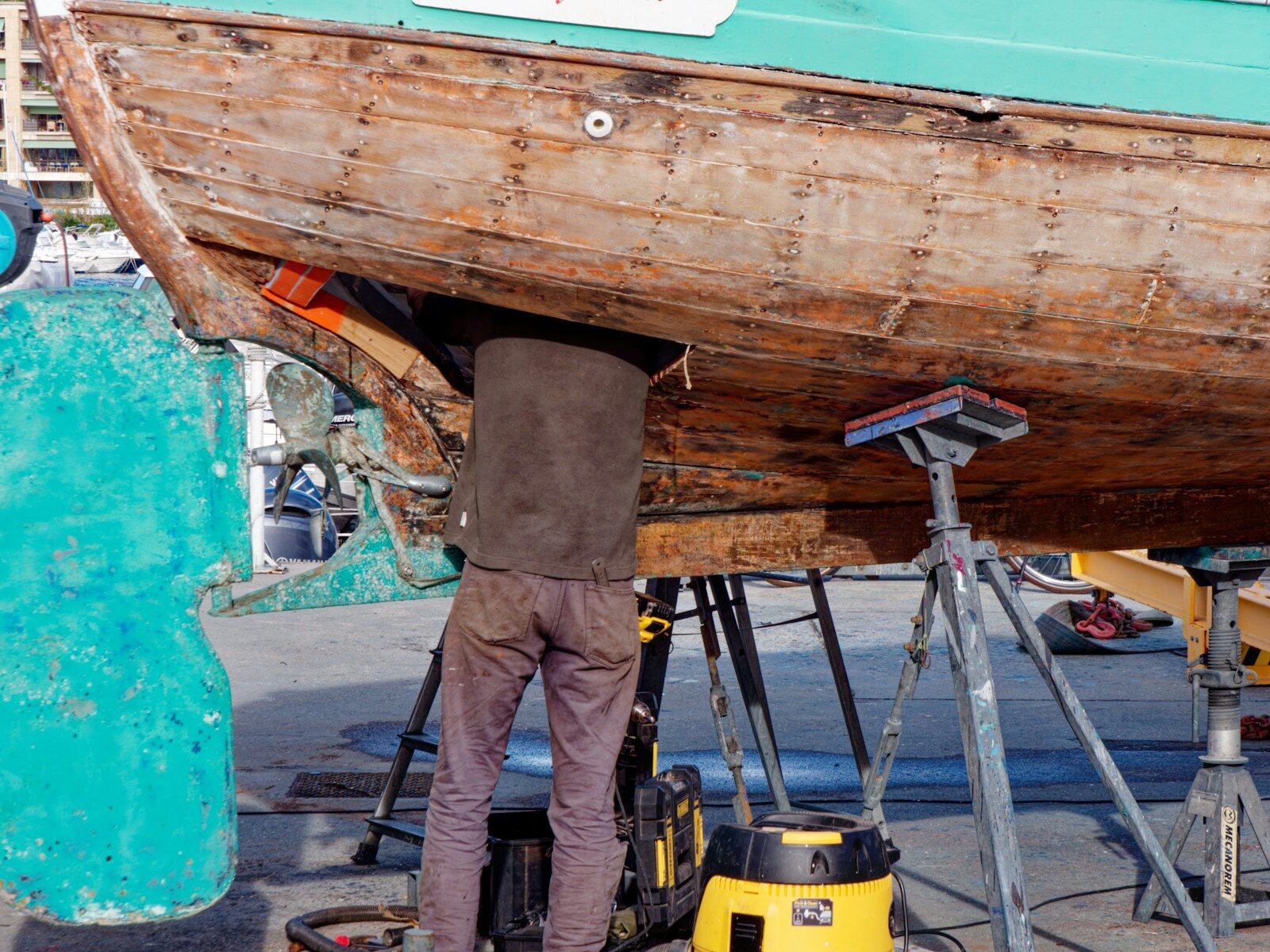
Photo by Bruno FM.